

Tom Cruise, Brad Pitt, Val Kilmer... and AI? A legal counsel and film producer shares insights
19 May 2026
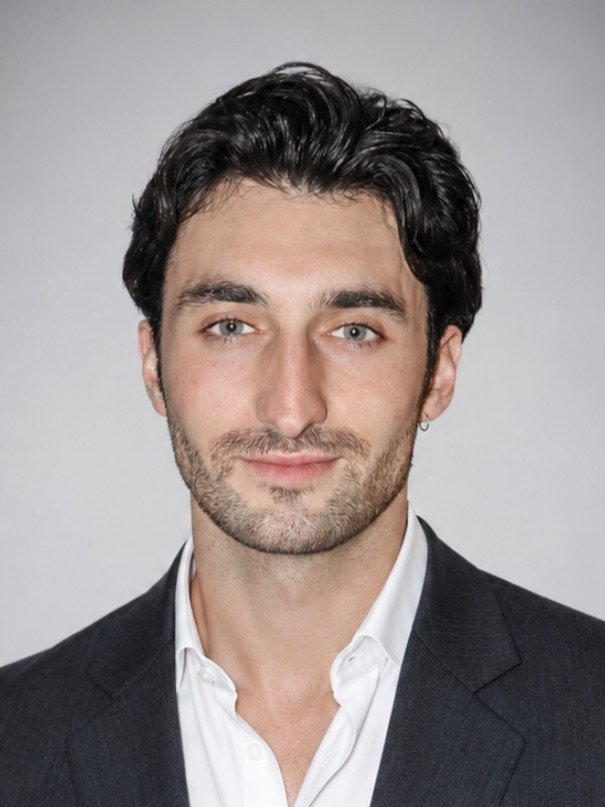
Mathis Voche, legal counsel in French and U.S. entertainment law & producer and founder @ Creatory Entertainment, New York City
In April 2026, CinemaCon, the largest and most important annual gathering of movie theatre owners and the international motion picture exhibition industry in the United States, debuted a teaser for the film, As Deep as the Grave.
The film follows real-life archaeologists Ann and Earl Morris as they excavate in the American Southwest during the 1920s. Starring Abigail Lawrie, Tom Felton and Val Kilmer, who appears posthumously onscreen as a Catholic priest and spiritualist, the movie became a trending topic because Kilmer passed away in 2025.
News reports suggest the production used archival footage and generative artificial intelligence of Kilmer to create his performance, with the consent and blessing of his estate and his daughter, Mercedes. This allowed Kilmer to appear on screen across different ages throughout the movie.
In another instance, ByteDance’s Seedance 2.0 AI released a fight scene between Tom Cruise and Brad Pitt without consent from the two highly acclaimed actors. Naturally, the Motion Picture Association (MPA) immediately accused ByteDance of unauthorized use of U.S. copyrighted works on a “massive scale,” pointing to the absence of meaningful anti-infringement safeguards on the platform.
“From an artistic and human perspective, I find it deeply problematic,” said Mathis Voche, a legal counsel in French and U.S. entertainment law and the producer and founder of Creatory Entertainment in New York City. “Performers in financial difficulty may be tempted to accept deals letting studios scan their likeness and license it as an on-demand avatar performing on cue, with no overtime, no insurance and no second takes. Extras and background actors are the most immediately exposed, but no tier of the profession is insulated; A-list talent included.”
He continued: “On the other side of the spectrum, studios may simply choose to generate fully synthetic, 100 percent AI-created performers, sidestepping the SAG-AFTRA AI guidelines, which currently require informed consent from the artist, as well as transparency and fair compensation.”
He added that cinema, and more broadly art, already offers a kind of immortality through legacy, but the idea of digital clones who keep performing past their death, which is a seductive option for producers who rely on an actor’s loyal audience to, among others, greenlight financing and carry a film, is one of the many Rubicons AI must not cross.
“We could debate the artistic and ethical implications for days, but in my view, it comes down to this: The natural cycle of life and renewal is part of how art moves forward,” said Voche. “Actors die, new ones emerge, audiences fall in love with new faces and so on. That renewal matters even more today, in an era where critics are already pointing out an industry in which the same handful of actors keep anchoring every top-grossing film. For all these reasons, my position is the one shared by a clear majority of professionals, and one I think applies to humanity’s use of AI more broadly: AI must remain a tool, with humans staying in control of it. In film, that means AI can play the role of the storyboard, the visual reference, the brainstorming partner an artist occasionally reaches for. But once it stops being residual and starts becoming substitutive, we’ve left the territory of art and entered something else entirely, which cannot be referred to as art anymore.”
He added: “Cinema has survived sound, colour, television, home video and streaming. It will survive AI too. But what survives may look meaningfully different from what we know today, and the choices we – either as players in the industry or audiences – make in the next few years, legally and culturally, will shape whether AI ends up enriching the art form or hollowing it out.”
- Excel V. Dyquiangco