

Philippines steps up effort to amend IP framework in light of AI
26 June 2026

The Intellectual Property Office of the Philippines (IPOPHL) is stepping up efforts to modernize the country’s intellectual property framework to keep pace with emerging technologies such as artificial intelligence, while strengthening initiatives that help Filipino creators turn their ideas into commercially viable assets.
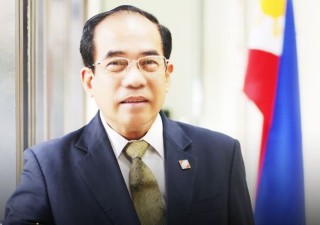
IPOPHL director general Teodoro Pascua said the agency is conducting studies on how the Philippine IP Code can be updated to address the growing influence of AI and other technological advancements.
“We’re moving already on that issue of AI. We want to do studies on how else, in new technologies, are we going to amend our law to make it adaptable to the existing environment,” Pascua said in an interview.
According to Pascua, ensuring that the country’s IP laws remain responsive to technological change is one of the agency’s priorities, although legislative reforms will require sustained support from Congress.
He acknowledged that proposed IP-related measures have faced challenges in the legislative process, noting that lawmakers often need to prioritize bills and divide broader proposals into smaller, more manageable measures to improve their chances of approval.
Several intellectual property bills previously filed in the House of Representatives have yet to complete the legislative process and will require continued support in both chambers, he said.
Alongside legislative reforms, IPOPHL is also focusing on helping Filipino creatives maximize the commercial potential of their intellectual property. Pascua said many local innovators and artists possess world-class talent but often lack the business knowledge needed to successfully bring their creations to market.
To help address this gap, IPOPHL has developed an evaluation manual that enables creators to assess and assign value to their intellectual property, giving them a stronger foundation for commercialization and investment discussions.
The agency is likewise expanding partnerships with the Philippine Chamber of Commerce and Industry (PCCI) to strengthen links between the creative and business sectors. Pascua said he hopes business groups will play a more active role in connecting Filipino creators with investors and market opportunities.
He emphasized that successful commercialization depends on establishing clear safeguards and guidelines that protect creators' rights while enabling businesses to responsibly develop and market intellectual property.
- Asia IP