

NZ chicken food truck business forced to rebrand due to trademark similarities with KFC
28 July 2025
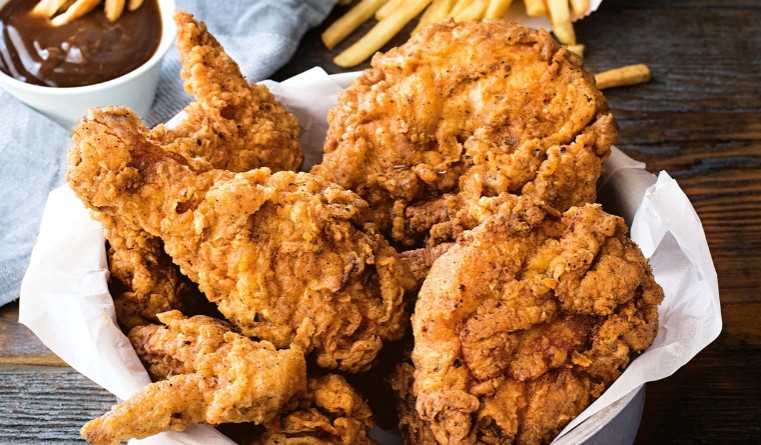
Credit by taste.com.au

Elena Szentiványi | director @ Henry Hughes Intellectual Property, Wellington.
Seventeen-year-old businessman Ben Yang is conducting a logo redesign contest on Instagram to help him rebrand his Korean fried chicken food truck business parked along Riccarton Road in Christchurch, New Zealand.
His reason? Lawyers for the global fast food chain KFC sent him cease-and-desist letters, ordering him to change the name of his business, which Yang co-owns with his mother, to avoid customer confusion. The name of his business was YFC, which stood for Yang Fried Chicken. Its logo, conspicuous on social media, was similar to that of KFC. The logo showed Yang’s image against a red background with ‘YFC’ written beside his image.
A key takeaway from this is for brand owners to have a strategy for protecting their trademarks and reputation that minimizes any potential backlash, said Elena Szentiványi, a director at Henry Hughes Intellectual Property in Wellington.
“Mister Yang jumped straight onto his social media platforms after receiving the cease and desist letter from KFC’s attorneys and garnered a high level of public support and sympathy. In New Zealand, there is often strong support for the ‘little guy’ or local business that is perceived as being under attack by the large brand owner and the scenario is often portrayed as a David v. Goliath battle. There is a risk of negative public commentary against the brand owner if they are viewed as being bullies. Where a heavy-handed approach might have a negative impact, consider other more measured actions. Would a business-to-business approach achieve the desired outcome without giving the potential infringer leverage in the public domain?” said Szentiványi.
For the small business owner, Szentiványi has this advice: “Think about the long term for your business and select a brand that is distinctive and sets your business apart from other businesses offering the same products. Parody, satire and humour are not defences if breaching registered trademark rights.”
“If you decide to take a risk and use a brand similar to one already existing in the market, be ready to change if the brand owner complains about your use. They are only seeking to protect their own brand from dilution and confusion. If your brand includes imagery similar to an existing brand, you might face a double whammy of copyright as well as trade mark infringement. Many IP offices have an easy facility for the easy checking of whether any similar word or logo marks are similar to any prior registered mark,” she added.
- Espie Angelica A. de Leon