


IP Week @ SG: What AI could mean for brands and authenticity
27 August 2026
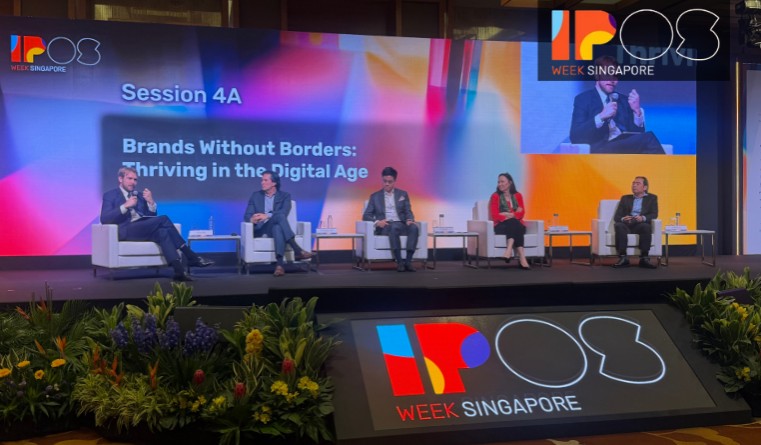
As artificial intelligence accelerates the creation of digital content and ecommerce erases traditional market boundaries, brand owners are confronting a new reality: protecting reputation may be becoming just as important as protecting intellectual property itself.
That was the key takeaway from the session “Brands Without Borders: Thriving in the Digital Age” at the Global Forum on Intellectual Property, part of Singapore IP Week. The panel brought together experts from law, banking, healthcare and technology to discuss the evolving challenges facing brands in an increasingly digital and AI-driven marketplace.
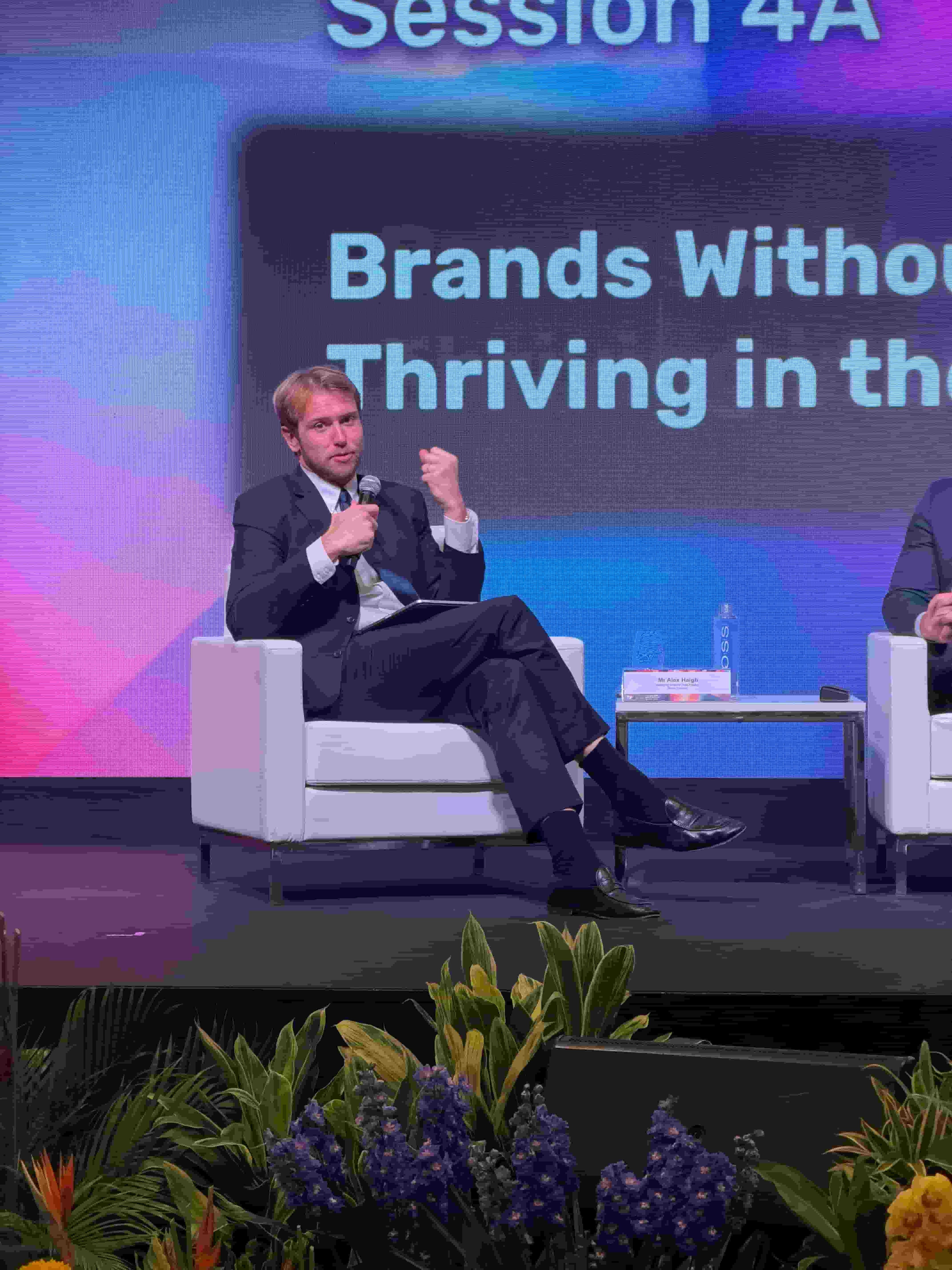
Alex Haigh | Brand Finance managing director for Asia Pacific
Moderated by Brand Finance managing director for Asia Pacific Alex Haigh, the discussion featured Johnson & Johnson global brand protection director Andy Chua; Texas A&M University School of Law regents professor Irene Calboli; Standard Chartered global IP head Nigel King; and Tencent head of public affairs and global policy Daniel Marti. Panellists agreed that while the fundamentals of brand building remain unchanged, the tools available to both legitimate businesses and bad actors have evolved dramatically.
For Calboli, the challenge begins with ensuring that companies align legal protection with commercial strategy from the earliest stages of development. Too often, she said, businesses view intellectual property as a legal afterthought rather than a strategic asset.
“We need to bridge legal practice with business sense,” she said, emphasizing that entrepreneurs should think about trademarks, domain names and digital visibility from the outset rather than after a business has already scaled. Even relatively small companies operating online can suffer significant setbacks if they fail to secure foundational digital assets early enough.
The increasingly borderless nature of global commerce presents additional complications. For multinational organizations such as Standard Chartered, protecting a long-established brand requires balancing consistency with regional differences in regulation and consumer expectations.
“We leverage our 170-year history while embracing innovation like AI and digital assets,” said King, describing how the bank has sought to modernize its brand while maintaining the trust associated with a legacy financial institution. Strategic partnerships with major sports properties such as Liverpool FC and Formula One have helped the bank reach new demographics while reinforcing brand awareness globally.
King also cautioned that AI-generated content introduces new questions around authenticity and publicity rights. As synthetic media becomes increasingly realistic, businesses may find it harder to distinguish between legitimate endorsements and digitally generated imitations.
“There is a risk of losing authenticity when using AI for marketing,” he warned, noting that realistic AI-generated depictions of celebrities and public figures raise legal and reputational questions that remain largely unresolved.

Andy Chua | Johnson & Johnson global brand protection director
For companies operating in highly regulated sectors, brand protection has implications far beyond commercial value. Chua explained that in healthcare and pharmaceuticals, counterfeiting directly affects consumer safety.
“IP protection is inextricably linked to consumer health and safety,” he said. He noted that illicit trade includes not only counterfeit products but also illegal diversion of genuine goods into unauthorized markets, creating risks for patients and healthcare systems alike.
Chua outlined what he described as three warning signs of serious brand protection problems: the appearance of products in unauthorized territories, an increase in consumer complaints and heightened interest from customs or law enforcement agencies. Rather than relying solely on enforcement, however, he advocated closer cooperation with online platforms.
“Proactive communication with e-commerce platforms is more effective than viewing them as enemies,” he said, citing an example in which Shopee Malaysia worked with his team to remove unauthorized contact lens listings before they could cause consumer harm.
That theme of collaboration was echoed by Daniel Marti, who challenged the notion that large digital platforms are inherently hostile to intellectual property rights holders.
“Platforms are often viewed as adversaries, but they are essential partners in the brand protection ecosystem,” Marti said. He explained that major platforms have a strong interest in maintaining marketplace integrity because user trust is fundamental to their long-term success.
Marti pointed to the reporting tools embedded within Tencent Weixin, which allow users to flag suspected infringements directly through the platform. He argued that effective brand protection increasingly depends on collaboration between rights holders, platforms and consumers themselves. Brands should move beyond generalized complaints and instead work with platform operators to identify specific problems and practical solutions, he added.
Artificial intelligence remained the dominant theme throughout the discussion. While panellists agreed that AI offers significant opportunities for product development, marketing and consumer insights, they also acknowledged the technology’s potential to damage brands through deepfakes, misinformation and unauthorized content creation.
Calboli suggested that trademarks may become increasingly important in an AI-generated world.
“Trademarks may become essential tools for protecting creative content where human authorship cannot be proven in an AI context,” she said, arguing that traditional copyright frameworks may become more difficult to apply as AI-generated content proliferates.
Marti offered a more measured assessment of the immediate threat. “AI is not currently a material threat to trademarks, but it remains a technology to watch closely,” he said. While widespread disruption has yet to emerge, reputation damage and consumer deception remain potential risks that businesses should monitor carefully.
The panel concluded that despite rapid technological change, the core objective of branding remains unchanged: building and maintaining trust. As AI lowers barriers to creating content and digital commerce expands across borders, speakers agreed that the brands most likely to succeed will be those that combine strong intellectual property protection, responsible use of technology and close collaboration with partners across the digital ecosystem.
- Darren Barton in Singapore