Please wait while the page is loading...

loader

Cartoons and characters on merchandise: All about character licensing and IP protection

15 April 2026

Cartoons and characters on merchandise: All about character licensing and IP protection

How can a licensor protect its IP rights in its characters and cartoons after licensing them to third party companies? Espie Angelica A. de Leon explains how and more.


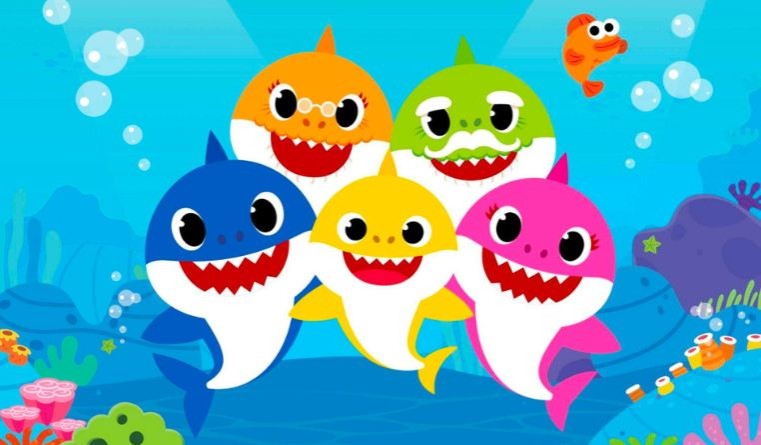
Japan has Hello Kitty. South Korea has Baby Shark. China has the little boy cartoon character Ne Zha. Character licensing is alive in these countries, which are among the top markets in Asia. In these parts, homegrown fictional characters and foreign-made iconic ones including cartoon figures such as Mickey Mouse, Harry Potter, Batman and Spiderman appear on different merchandise on store shelves and online marketplaces.  

This merch almost certainly appears courtesy of a licensing scheme where the licensor allows another company to use its character’s name, image or likeness for the latter’s merchandise, media and digital content or location-based entertainment, as well as for promotional activities. Japan specializes in media mix, a business model where a single character or animated figure is used in different media platforms at the same time, from movies and TV anime shows to video games. 

The usual licensors are the film production outfits, animation studios, game developers, publishers and enterprises that have built strong fandoms or have mascots or branded characters that have become massively popular. Individual creators such as authors, illustrators and digital content creators may also be licensors. 

The licensees are usually those engaged in the manufacturing of toys, clothing and fashion goods, food and beverage (F&B), as well as those in the publishing, mobile gaming and amusement park industries. Chinese global retail chain Miniso is an active licensee, collaborating with dominant players such as The Walt Disney Company and Sanrio, maker of Hello Kitty. 

How can a licensor ensure the protection of its trademark rights, copyrights and even design rights over its characters and cartoon figures after licensing them out to third-party companies? Before we answer this question, let us first know more about character licensing. 

The benefits of character licensing 

Aside from Hello Kitty, Baby Shark and Ne Zha, a host of other well-loved characters from Asia are also taking a slice of the licensing limelight locally and internationally: Japan’s Doraemon, Totoro, Mofusand and Chiikawa, South Korea’s Squid Game characters and Pororo, and a lot more. 

Several business enterprises have certainly found a formula in character licensing. How come, and how so? 

Obviously, character licensing and character merchandising provide an additional revenue stream via royalties. The IP owner or licensor doesn’t even have to manufacture or distribute the products directly. Furthermore, this revenue stream is scalable. 

Character licensing may also be an avenue for a brand to enter overseas markets if international expansion is in the pipeline. “Instead of investing heavily in production facilities, supply chain management and retail outlets in the international jurisdiction, the licensor can enter into a license agreement with local entities that have the production capability and supply chain management in the relevant international jurisdiction,” said Saurabh Singh Bhadauria, an associate at Khurana & Khurana in Noida. 

Character licensing therefore helps reduce the operational burden on licensors. With less matters on their plate, licensors can focus more on brand management while leaving the bulk of operational responsibilities to licensees who have the necessary expertise.  

This is especially important in Asia, which has strong market diversity in terms of language, culture and regulations. For Asian markets, licensors may work with licensees to develop a “glocalized” version of the product in order to adapt to the local market without compromising the essence of the character it is using. 

Character licensing also boosts market acceptance and recognition of the character. “Well-loved or well-known characters have a very particular edge compared to other types of IP since they carry pre-existing affection and familiarity,” said Meryl Koh, director of intellectual property and dispute resolution at Drew & Napier in Singapore. “Especially for consumer products, character licensing and character merchandising draw on a consumer’s emotional connection, and it is less about function or even brand value. Such emotional connection is translated into a purchase decision based on ‘I love this’ as opposed to ‘this works better’ or ‘this brand is reliable.’” 

Koh mentioned Shopee’s use of the iconic Singaporean TV character Phua Chu Kang as its first ambassador in Singapore. She explained that using the character appealed to locals who are familiar with the character through nostalgia. Singapore Airlines and EZ-Link, the issuer of contactless stored value cards for public transport and retail purchases in the country, have also ventured into character licensing. The carrier recently launched some products featuring the Dutch cartoon character Miffy, while EZ-Link has been using popular characters such as the Sanrio character Kuromi and the anime character One Piece in its transport cards. There seems to be more licensing activities involving international IP in Singapore, rather than locally created characters. However, according to Koh, the climate for character licensing in the jurisdiction continues to evolve. 

“Strong characters can last for decades, transcend generations and can still be continually refreshed as the character moves from sector to sector, product to product, platform to platform – almost like a flywheel effect since its continued visibility also continues to feed back into demand. This is something that may not be present in other traditional forms of IP,” Koh noted. 

Obviously, this serves both licensors and licensees. Alongside character recognition, character licensing promotes brand visibility and recognition as well as consumer engagement. Imagine a cartoon character that is very visible across different product categories in multiple markets. As the character becomes more recognizable, the brands of both licensors and licensees grow in popularity too. 

“Licensing of a popular character provides instant access to an established brand identity and consumer base. Rather than spending considerable time and resources building and promoting a new brand identity, companies can leverage the recognition, reputation and appeal associated with a popular character. This considerably cuts down the marketing necessary in bringing new products into the market and increases the possibilities of faster consumer acceptance,” Bhadauria explained. 

According to him, the Indian market is not as large as the Chinese and Japanese markets. Yet, it is considered one of the fastest-growing, especially in the last 10 years. Part and parcel of this remarkable growth trajectory are homegrown characters such as Chhota Bheem, Motu Patlu and Little Singham. These animation characters have found their way into toys, stationery, apparel, accessories, books, mobile games and digital applications. However, India remains at an early stage when it comes to licensing of globally known foreign characters. 

Another benefit for licensees is that it lowers market entry barriers associated with new products and drives immediate sales growth. “Globally recognized Korean animation characters like Pororo, Pengsoo or Robocar Poli are some examples. They have brought massive commercial success to countless licensees across diverse sectors, including toys, publishing, F&B and even pharmaceuticals. Thus, character licensing is a highly successful win-win model for the licensor and the licensee,” said Dong Won Kim, an attorney at Kim & Chang in Seoul. 

Character licensing thrives in South Korea due to the global popularity of K-dramas, K-pop, webtoons and other elements of Hallyu or the Korean Wave. Even characters based on local messaging apps have been used for licensing such as Kakao Friends, which were taken from the app KakaoTalk emoticons. 

Premium character branding opportunities are also in the offing for potential licensees. Previously, character licensing merely involved mass-market products such as children’s apparel, toys and stationery. Not anymore. “In recent years, the realm of character licensing has expanded significantly into the realm of high-end and luxury products,” said Ziya Mansuri, an intern at Khurana & Khurana in Noida. This is the concept of premium character branding. 

The partnership between Longchamp and The Pokémon Company is one example of premium character branding. The collaboration resulted in a special edition of Longchamp’s Le Pliage product line featuring Pokémon’s world-famous character Pikachu. Launched in October 2020, the products were available at over 250 Longchamp outlets all over the world. 

When should a company engage in character licensing? 

Entering the character licensing arena should be done in the right way, at the right time. 

First, companies should do it after their core IP rights are registered.  

“You want to strike when the iron is hot and public demand is rising, but rushing into licensing without securing your rights leaves the IP vulnerable to counterfeiting and severe legal disputes,” Kim warned.  

“This provides a solid legal foundation for commercial partnerships and helps avoid disputes as the character’s commercial value grows,” said Spring Chang, founding partner at Chang Tsi & Partners in Beijing. 

The importance of timing was exemplified by the South Korean entertainment company Pinkfong and its Baby Shark video. When the video started to go viral around the world, the company strategically secured comprehensive trademark and copyright portfolios across multiple jurisdictions. 

Koh reminded applicants that certain provisions in Singapore’s copyright law exclude protection for some works that can qualify as registered designs under the Registered Designs Act. “In other words, a designer may think the work is protected by automatic copyright,” she pointed out, “only to find that after publishing the work on social media, selling merchandise with the character in a shop or at an exhibition, they have no rights to stop imitators.”  

Instead, she advised applicants to consider registered design protection for their characters and the potential products that will be involved in licensing, prior to commercialization. This will ensure continued protection. “The advantage of design registration is that it gives the owner exclusive rights without having to prove that anyone copied them. In Singapore, that protection can last up to 25 years, and could be renewed thereafter for five years each time. Copyright and registered design protection can coexist, but IP owners need to understand how they interact, or they may find their copyright position unexpectedly limited once they start commercializing the character,” Koh said. 

A company should also make sure its character has achieved a certain level of fame or audience engagement before striking a deal with licensees. “Licensing too early risks undervaluing the IP,” Koh warned, “whereas delay creates space for unauthorized use.” 

Character licensing is also a great path to take when a company aims to broaden the scope of its IP to include other product areas or industries.  

As mentioned above, it also comes in very handy if the company plans to penetrate international markets but cannot establish its own operations in these jurisdictions. 

Lastly, character licensing may be tapped if the company is seeking to create long-term entertainment franchises and branding for successful IP. “In many cases, well-managed licensing programmes can transform a popular character into a long-term brand or franchise with sustained commercial value,” said Panisa Suwanmatajarn, managing partner at The Legal in Bangkok. 

According to her, character licensing is gaining traction in Thailand. Though international characters remain popular in the local licensing scene, more locally developed characters are beginning to attract commercial attention as digital platforms, animation content and social media communities continue to grow. Suwanmatajarn believes this trend is likely to contribute to the gradual expansion of the character licensing ecosystem in Thailand. 

IP protection for licensors 

“China has many famous platforms like Pop Mart and Alibaba. From our experience, when you work with these large platforms, protecting your original characters is absolutely essential,” revealed Chang. 

These are just some examples. If a company jumps into character licensing, infringement activities and other risks are definitely not far behind, especially with the proliferation of ecommerce sites and other digital platforms.  

As mentioned, IP registration is the default mode. Other than this, how can licensors ensure robust protection for their IP after allowing licensees to use their characters and cartoon figures? 

The next step is to make sure a carefully structured licensing agreement is in place.  

“The agreement should clearly define the scope of permitted use, including product categories, territories, distribution channels and duration. Quality control provisions are particularly important to ensure that licensed products meet the standards associated with the character and do not dilute its reputation,” said Suwanmatajarn.  

“It is vital to anticipate various forms of character usage, including derivative works, and draft highly sophisticated royalty clauses to ensure reasonable compensation. Otherwise, licensors may risk severe underpayment,” Kim advised. 

“IP owners should retain strong supervisory rights, such as approval rights over product design, marketing materials and packaging. Regular monitoring and reporting mechanisms are also important to ensure that licensees comply with the agreed terms,” Chang added. 

Subcontracting and manufacturing rights must also be covered. A licensee does not necessarily manufacture the products. In most cases – and it is common practice ­– a licensee engages the services of another manufacturer. The downside is that it can increase the risks associated with unauthorized use, quality and even dissemination of the character. Therefore, licensing agreements typically specify whether the licensee may subcontract manufacturing activities and under what conditions.  

“For instance, in most cases, where subcontracting in manufacturing is allowed, licensing agreements require the licensee to seek prior written permission from the licensor before any subcontracting can occur. This will ensure that the licensor remains in control and that only authorized persons are involved in the manufacturing process. There are also cases where manufacturing standards and compliance have been provided in licensing agreements,” said Mansuri. 

They should also be highly customized. “A fascinating frontier currently emerging in the Korean legal landscape is the licensing of virtual influencers and AI-generated characters. Because the legal frameworks regarding the ‘right of publicity’ for non-humans or the copyrightability of AI-generated assets are still in development, meticulous legal review and highly customized licensing agreements are more critical now than ever before,” Kim explained. 

Chang echoed Kim’s statement about virtual characters and how these are now being used for licensing. The same thing is happening with digital collectibles and immersive online environments, opening up new opportunities for character-based IP. “As brands increasingly engage with consumers through digital platforms and social media, characters can evolve into interactive brand ambassadors that extend far beyond traditional merchandise. This evolution also raises new legal and regulatory questions, particularly in relation to digital rights management, cross-border licensing and online enforcement. For IP owners, it is therefore essential to adopt a forward-looking licensing strategy that combines creative brand development with strong legal protection,” Chang explained. 

The contract must also include clear enforcement mechanisms, including termination rights and remedies for breach. As for post-termination inventory rules, the contract must state that once the “sell-off” period, if granted, expires, all unsold inventory must be strictly destroyed or bought out by the licensor. “Without this safeguard, malicious licensees may continue to illegally manufacture and sell new products under the guise of ‘clearing old inventory,” Kim revealed. 

Additionally, an audit clause must be part of the licensing contract. “The contract must absolutely include an audit clause, granting the licensor the right to inspect the licensee’s financial records to verify that royalties are being calculated and paid accurately,” Kim noted. 

For Suwanmatajarn, creative development and strategic intellectual property management are key to successful character licensing. “While an engaging character may initially attract consumer interest, its long-term commercial value depends largely on how effectively the underlying IP is protected, managed and licensed. IP owners should therefore approach character licensing as part of a broader brand strategy,” she emphasized, “rather than merely a merchandising opportunity.”  

Moving forward 

The global market for licensing is worth over US$300 billion. Of this, character licensing accounts for a hefty US$130 billion.  

Asia is actively taking part in these big-ticket deals. “Character licensing has become an increasingly important component of the consumer products and entertainment industries across Asia. The region’s large consumer base and strong demand for branded merchandise have created a highly dynamic market for licensed characters, particularly in sectors such as toys, apparel, stationery, F&B collaborations and digital products,” said Suwanmatajarn. 

China is the largest market in the region. Local animation studios, online platforms and consumer brands are busy creating original characters for licensing. “At the same time, international character brands continue to see strong demand in the Chinese market,” Chang shared. In 2024 alone, Miniso spent approximately US$25 million for character licensing. 

The Japanese market, for its part, reached the ¥2.7 trillion (US$17 billion) mark in 2024. The landscape is largely driven by IP from manga, anime and games. 

Meanwhile, South Korea’s Hallyu continues to be a global phenomenon. “The most defining characteristic of the Korean market today is the highly successful ‘One Source Multi-Use’ model. Characters from immensely popular platforms like Naver Webtoon and Kakao Webtoon are routinely licensed not just into K-dramas, but into expansive ecosystems of physical merchandise, video games and pop-up stores,” Kim related. 

While other Asian jurisdictions may not be seeing as much character licensing or character merchandising activities, the landscape is certainly evolving.  

Notwithstanding, the global business community has been swept up by character licensing, and the rest of Asia may be fast catching up. Businesses in the region may want to consider this licensing model, understand their operations and protect their IP. 


Law firms